Meta Description: Learn how typical air purifiers use energy, why choosing certified efficient models matters, and how natural & tech-based solutions can cut consumption and carbon footprint.
Energy Consumption of Traditional Purifiers
Traditional air purifiers can be surprisingly energy-intensive. When you choose an air purifier, the energy consumption can vary significantly between models, over a year, some units may add dozens to hundreds of kilowatt-hours to your electricity use. For instance, ENERGY STAR certified room air cleaners are up to 65% more energy efficient than standard models, saving roughly 110 kWh/year or more.
The EPA and DOE also publish standards for air-cleaner energy use, helping manufactures and consumers understand the trade-offs between performance and power draw.
So: When selecting a purifier, look not just at filter type but also at its energy-efficiency rating, CADR ( Clean Air Delivery Rate) per watt, standby power, and annual kWh use. This helps you avoid unexpectedly high energy bills and align with you eco-friendly mission.

Source: Conscious consumption creates healthy spending habits.
Choosing Eco-Friendly Purification Options
The best purification strategy goes beyond just buying a “green” device, it’s about building a regenerative cleaning ecosystem. At Island Dream Clean, our approach pairs high-efficiency purifiers with on-toxic, natural cleaning products like vinegar, hydrogen peroxide, and biodegradable formulas that reduce airborne chemical residues.
By using bamboo-based, resuable cleaning cloths and refillable solutions, we minimize both indoor pollutants and environmental waste. This internal synergy, cleaning surfaces naturally and filtering air efficiently, creates a healthier indoor atmosphere while cutting overall energy consumption.
When selecting your own purifier, look for:
- ENERGY STAR or equivalent eco-certifications
- Low standby wattage (<2W)
- Auto-sensing and timer features to limit unnecessary runtime
- Dual-stage filters (HEPA+ activated carbon) to target both particles and VOCs.
Pair these devices with strong ventilation habits, like occasional window openings or using kitchen and bathroom exhaust fans, to naturally refresh the air and reduce purifier workload.
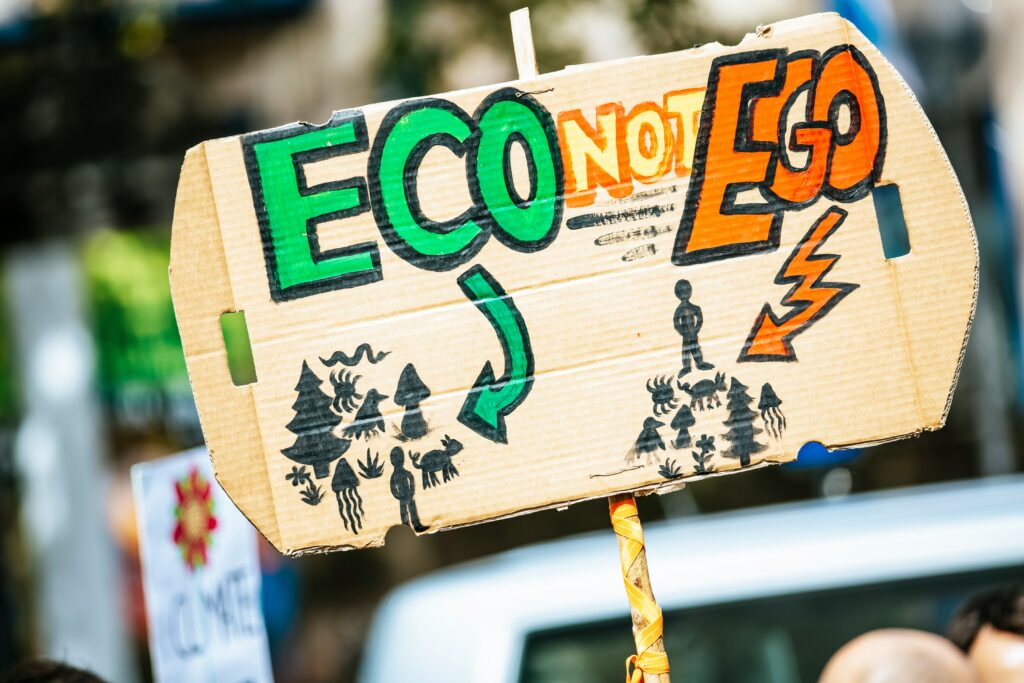
Source: Eco-Friendly options upkeep peace of mind and saving habits.
Combining Natural and Tech-Based Solutions
While technology plays a key role in indoor air purification, you can further reduce energy consumption and environmental impact by integrating natural strategies and smart use of devices. Research in building automation and purifier contril shows that using “auto” settings, sensors, and only ramping up purification when pollutant levels rise can reduce energy use without compromising indoor air quality.
Simultaneously, following the World Health Organization (WHO)’s indoor air quality guidance helps you understand which pollutants matter most, so you can target interventions more precisely and avoid over-use of high-power devices.
For example: rather than running a purifier at full speed 24/7, you could combine moderate filtration with enhanced ventilation, natural plant-based removal (where effective), and timed purifier boosts when needed, lowering average power draw and operational cost.
💬 Ready to Upgrade to Smart, Efficient Indoor Air?
Transform your space with cleaner air and smarter energy use. Visit Island Dream Clean to learn how our eco-friendly, high-performance cleaning services integrate low-power air purification, sustainable cleaning supplies, and tailored strategies to keep your home or business healthy and energy-smart.