Meta Description: Island Dream Clean expands on their sustainability series through an article defining and exemplifying circularity.

Source: Night sky, slow shutter speed.
Circularity vs. Linear Systems in Cleaning
Traditional cleaning models operate under a linear system: products are manufactured, consumed, and discarded. This “take-make-waste” structure mirrors the industrial approach that is being taken over by one that replaces linearity with restorative design, where materials, energy, and value loop continuously through reuse, repair, and regeneration.
Within cleaning and sanitation, this shift is not only environmental but cultural. Studies in Journal of Cleaner Production emphasize that service-based companies adopting circular practices tend to experience both reduced waste output and increased brand trust. For Island Dream Clean, circularity represents not just sustainability but accountability and creativity.
Tools and Products that Fit the Circular Model
Circularity begins with design. Tools built to last multiple lifecycles, like refillable spray bottles, modular mops, or washable microfiber cloths, embody the principle of durability before disposability. According to the Ellen MacArthur Foundation extending product life by just nine months can cut carbon impact by up to 30%.
In Island Dream Clean’s model, fragile tools aren’t simply replaced; they’re reimagined through co-design with suppliers to enhance longevity. This participatory repair mindset transforms maintenance into partnership, reducing cost and environmental strain while empowering both worker and customer.
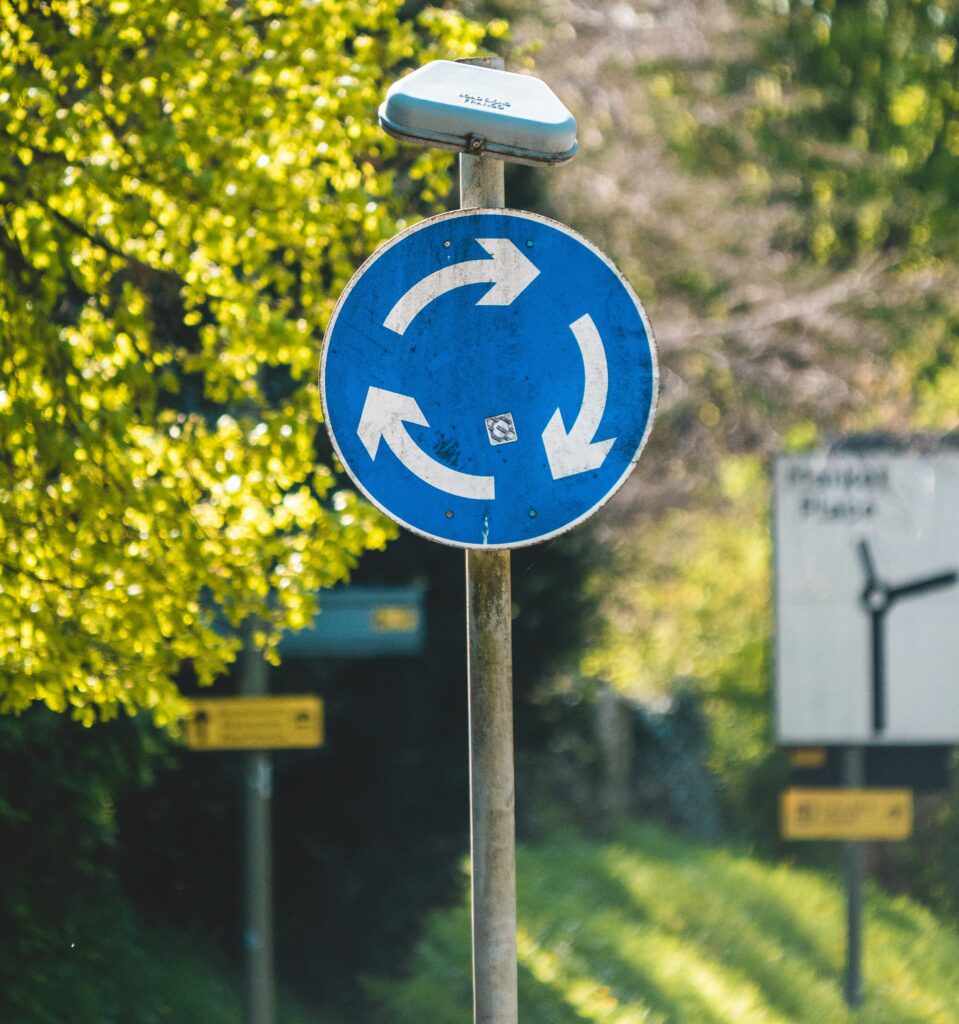
Source: Circular sign.
Refillable, Send-Back Programs, and Modularity
Refill systems lie at the heart of circular cleaning practice. As reuse culture gains traction, refill stations and send-back programs prevent single-use plastics from becoming permanent waste. Research from the European Environment Agency highlights that refill systems can reduce packaging waste by up to 70% when implemented at scale.
Companies like Blueland, Grove Collaborative, Force of Nature and Loop have normalized refill subscriptions and bottle return programs, yet true circular integration requires modularity, the ability to adapt systems without redesigning them completely. Island Dream Clean’s modular approach enables easier sourcing, client education, and long-term savings through consistent brand partnerships. By introducing such refillable systems into professional cleaning workflows, small businesses can lower chemical footprints and increase transparency — bridging eco-performance with client trust.
Ingredient Integrity: Why Biodegradable Matters
Circularity is incomplete without ingredient integrity. Products that degrade safely return to the environment without creating secondary pollution. Biodegradeablity esnures that what enters water and soil re-enters as nutrients, not toxins.
Biodegradable agents such as vinegar and hydrogen peroxide, already used by Island Dream Clean, naturally break down water and oxygen. A 2021 Chemosphere study by Zuloaga et a;. notes that these compounds show minimal persistence and toxicity, aligning qith both EPA and EU sustainability criteria.
The idea is simple: what dissolves cleanly supports the cycle fully.
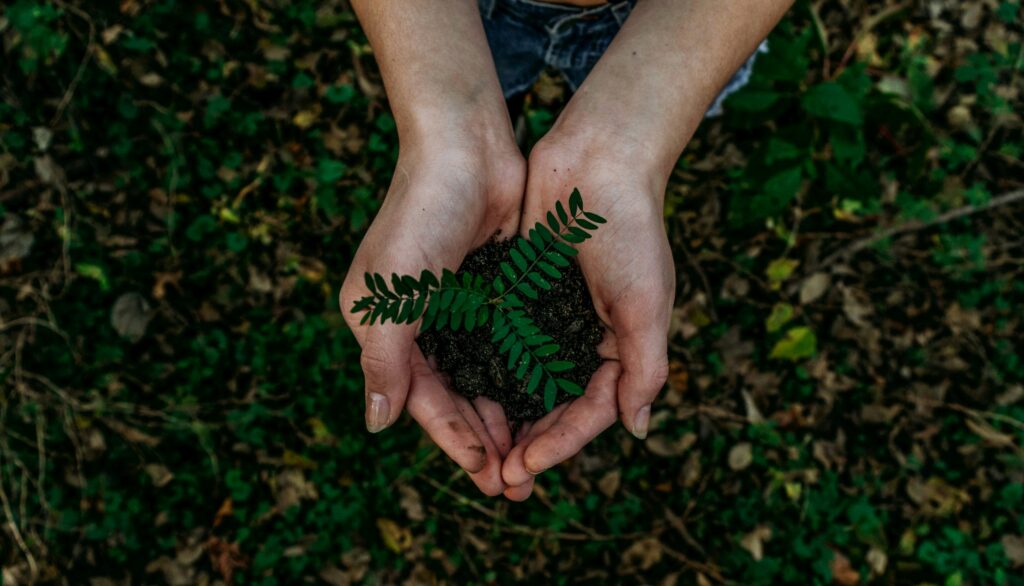
Future Tech: At-Home Biogas and Energy Loops
One of the most innovative frontiers in household circularity is at-home biogas technology. These systems convert food or organic waste into clean energy and fertilizer through microbial digestion. Researchers in Renewable Energy conclude that domestic biogas systems can offset up to 40% of a home’s gas use while reducing methane emissions.
Partnering with biogas startups allows cleaning businesses to expand sustainability beyond sanitation, helping clients recycle kitchen waste int usable power. This aligns with Island Dream Clean’s goal to capture waste, carbon, and community potential, transforming guilt into empowerment.
Building a Business that Loops Joy Back into the Community
Circularity is not only an environmental model; it’s an emotional economy. When businesses circulate value through fair labor, sustainable product, and communtiy education, joy itself becomes regenerative. Social enterprise research shows that local, mission-driven ventures create durable trust networks that outperform profit-first competitors in long-term resilience.
For Island Dream Clean, this means every bottle, brush, and breath of fresh air connects to something larger, a living cycle of care. By looping resources, knowledge, and gratitude, the company closes not just waste loops, but emotional ones too.
🌱 Close the Loop with Island Dream Clean
Join us in reshaping how we clean — from the tools we hold to the energy we return to our spaces. At Island Dream Clean, we believe every scrub, refill, and mindful choice can create ripples of renewal in our homes and our communities.
Ready to experience sustainable cleaning that gives back to the planet and the people who live on it?
✨ Book your circular cleaning service today and become part of a cleaner, smarter, more connected future.
📞 Schedule your service or learn more at IslandDreamClean.com
- Conceptualizing the Circular Economy
- The Circular Economy: A New Sustainability Paradigm
- Completing the Picture: How the Circular Economy Tackles Climate Change
- Packaging and Waste Prevention in the Circular Economy
- Social Entrepreneurship: A Source of Explanation, Prediction, and Delight
- Zuloaga, O., et al. “Assessing Biodegradable Cleaning Agents and Their Environmental Fate.” Chemosphere, vol. 268, 2021, article 128875. Elsevier, doi:10.1016/j.chemosphere.2020.128875.
- Patel, A., R. Kumar, and D. Singh. “Small-Scale Biogas Systems for Sustainable Energy Transition.” Renewable Energy, vol. 146, 2020, pp. 1234–1245. Elsevier, doi:10.1016/j.renene.2019.06.087.
Reosurces